Adam Gordon, Clémentine Bruno, DIS, Flo Brooks, GCC, Georgie Nettell, Hal Fischer, Harumi Yamaguchi, Juliana Huxtable, Kenneth Bergfeld, Morag Keil, Ned Vena, Sean Steadman, Shanzhai Biennial, Sophia Al-Maria
That's Why We Work To Make Life Better
Project Native Informant, London
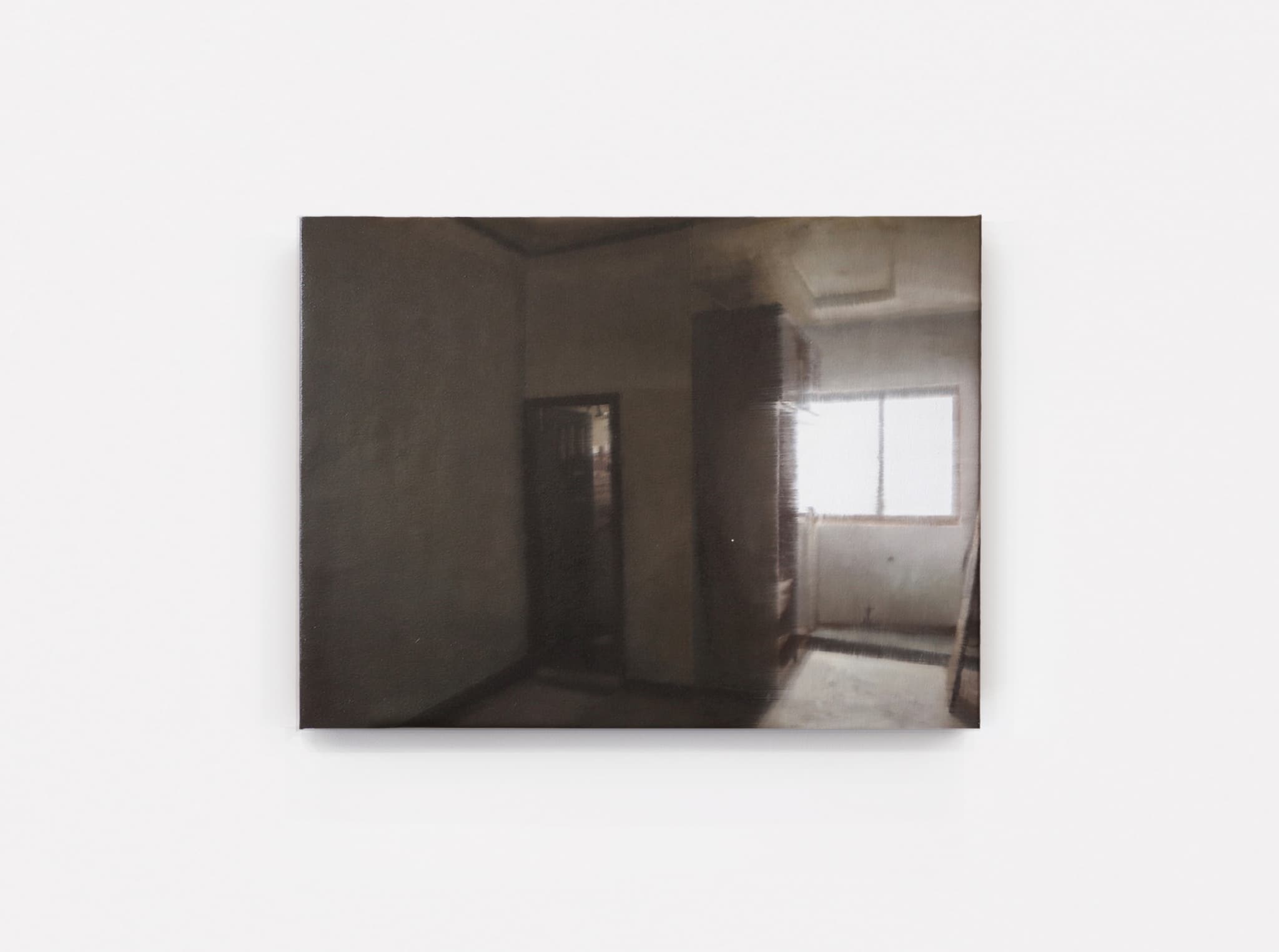
Adam Gordon
Untitled
2020
Oil on canvas
55.8 x 72.4 x 2 cm
22 x 28 1/2 x 3/4 in
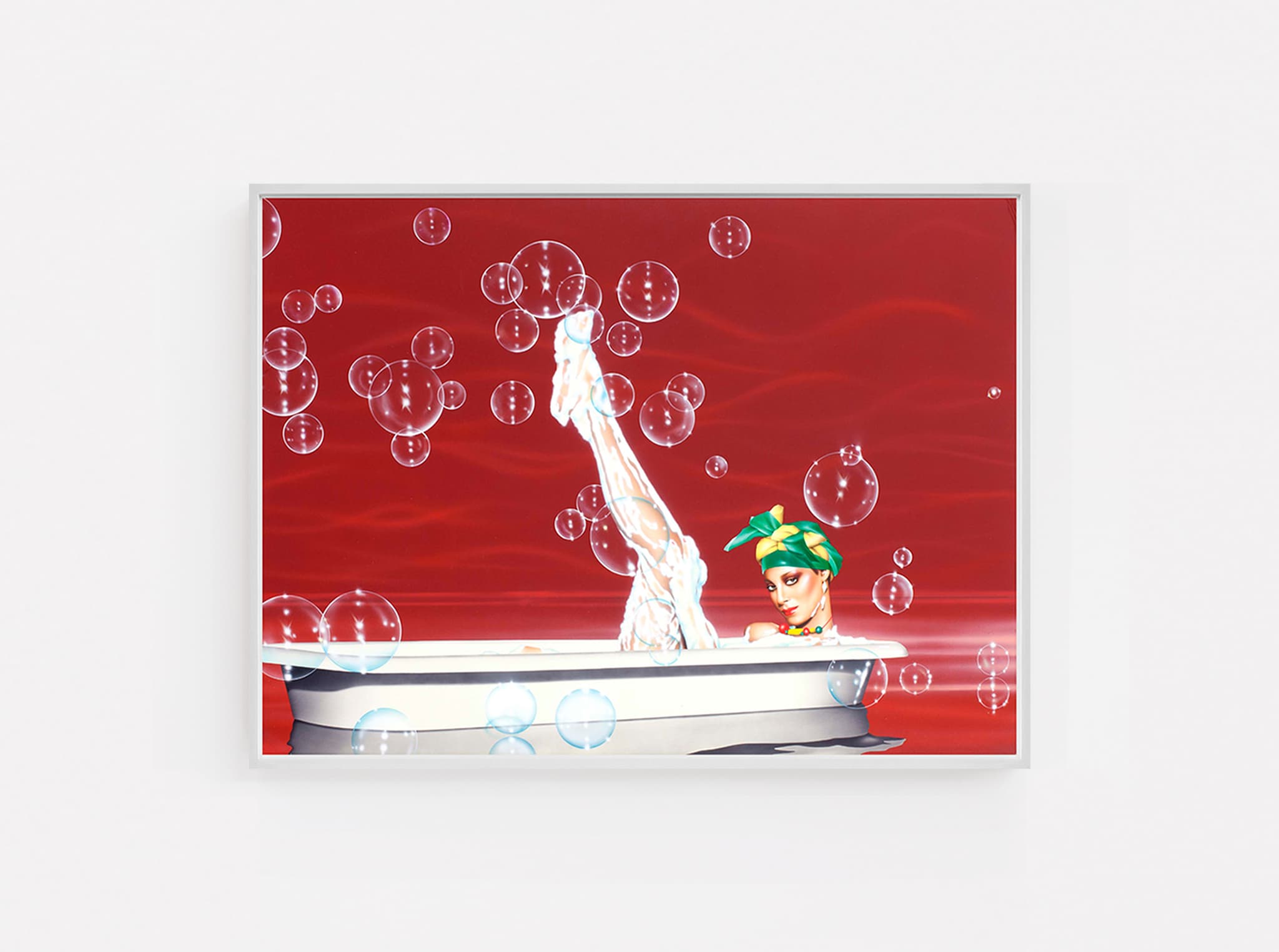
Harumi Yamaguchi
Soap Bubbles
1979
Acrylic on board, framed
51.5 x 72.8 x 3 cm
20 1/4 x 28 5/8 x 1 1/8 in
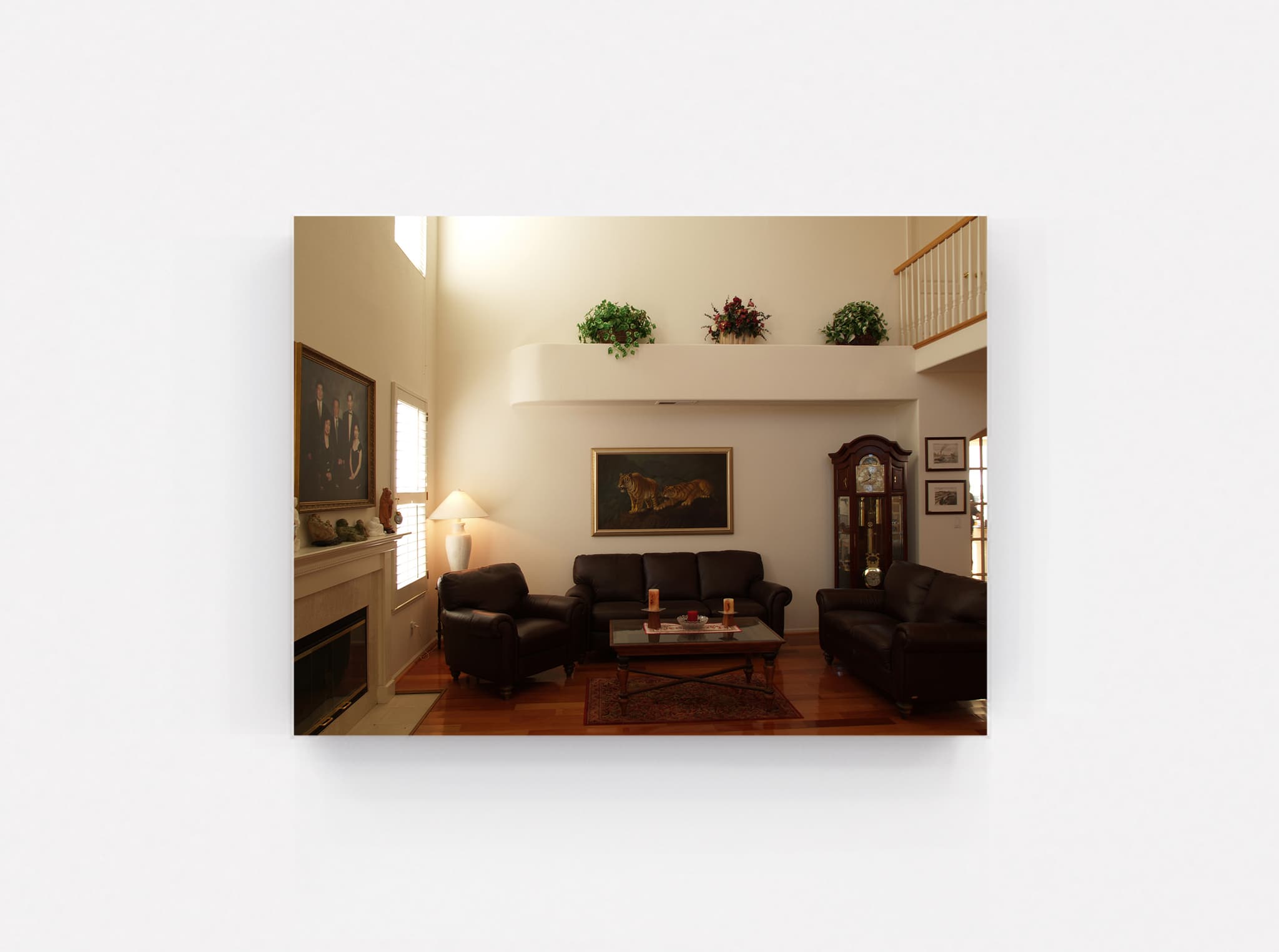
Georgie Nettell
Opportunity 5
2015
C-type print
30 x 42 cm
11 3/4 x 16 1/2 in
Edition of 5 and 1 AP
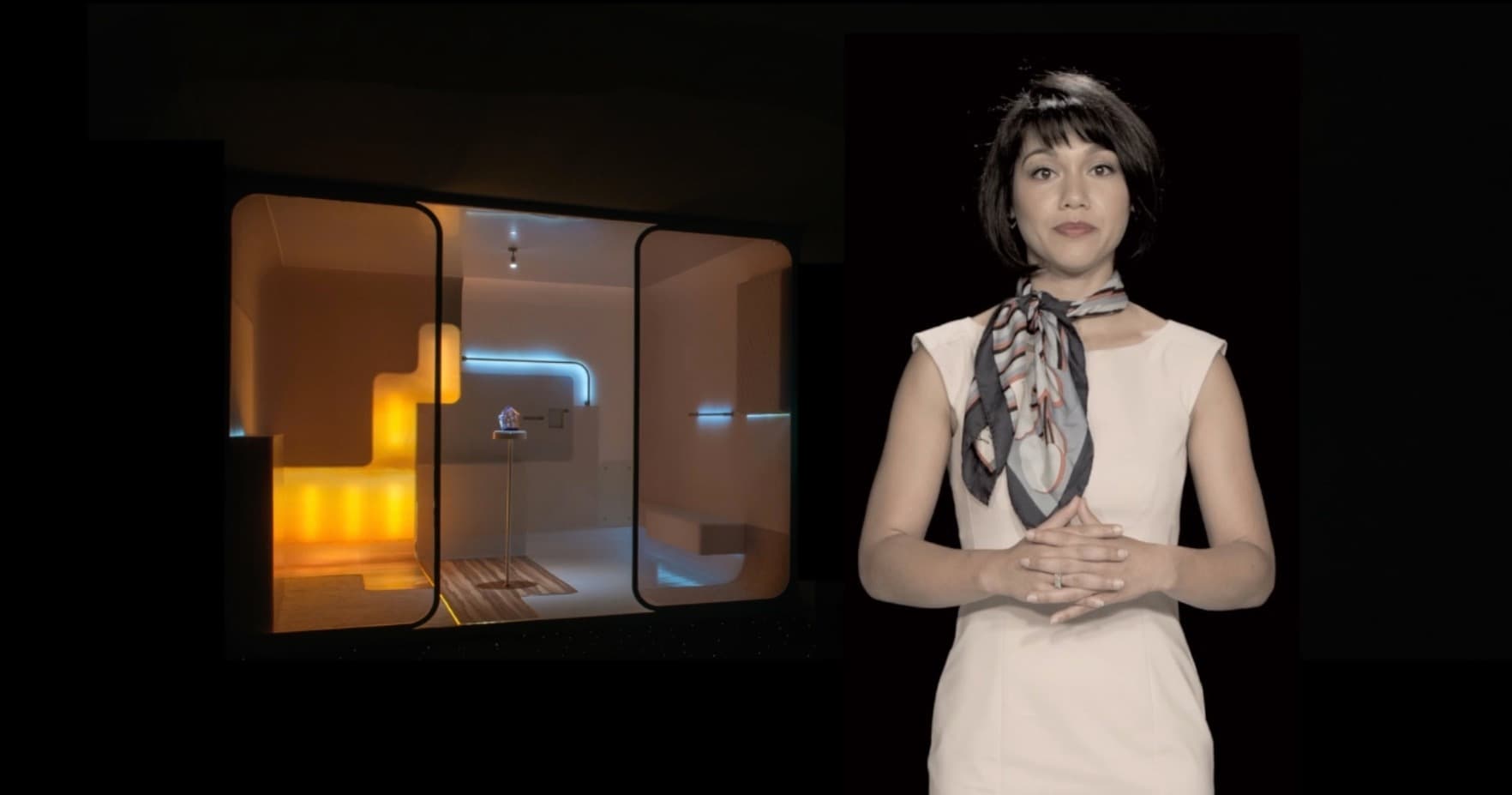
GCC
Exosphere
2014
Single-channel video, projector, speakers, acrylic, carpet, LED lights, fluorescent lights, lycra, plywood veneer, lacquer, MDF, brass, laser engraved crystal, turntable, embossed polyester fabric, metal, polished brass strips, digital image printed on polyester transparency film, ceramic tiles, leather and frosted glass
Dimensions variable

Sophia Al-Maria
Mirror Cookie
2018
Single-channel HD video, dressing room table and chair, mirrors
Dimensions variable
Edition of 3 and 2 AP
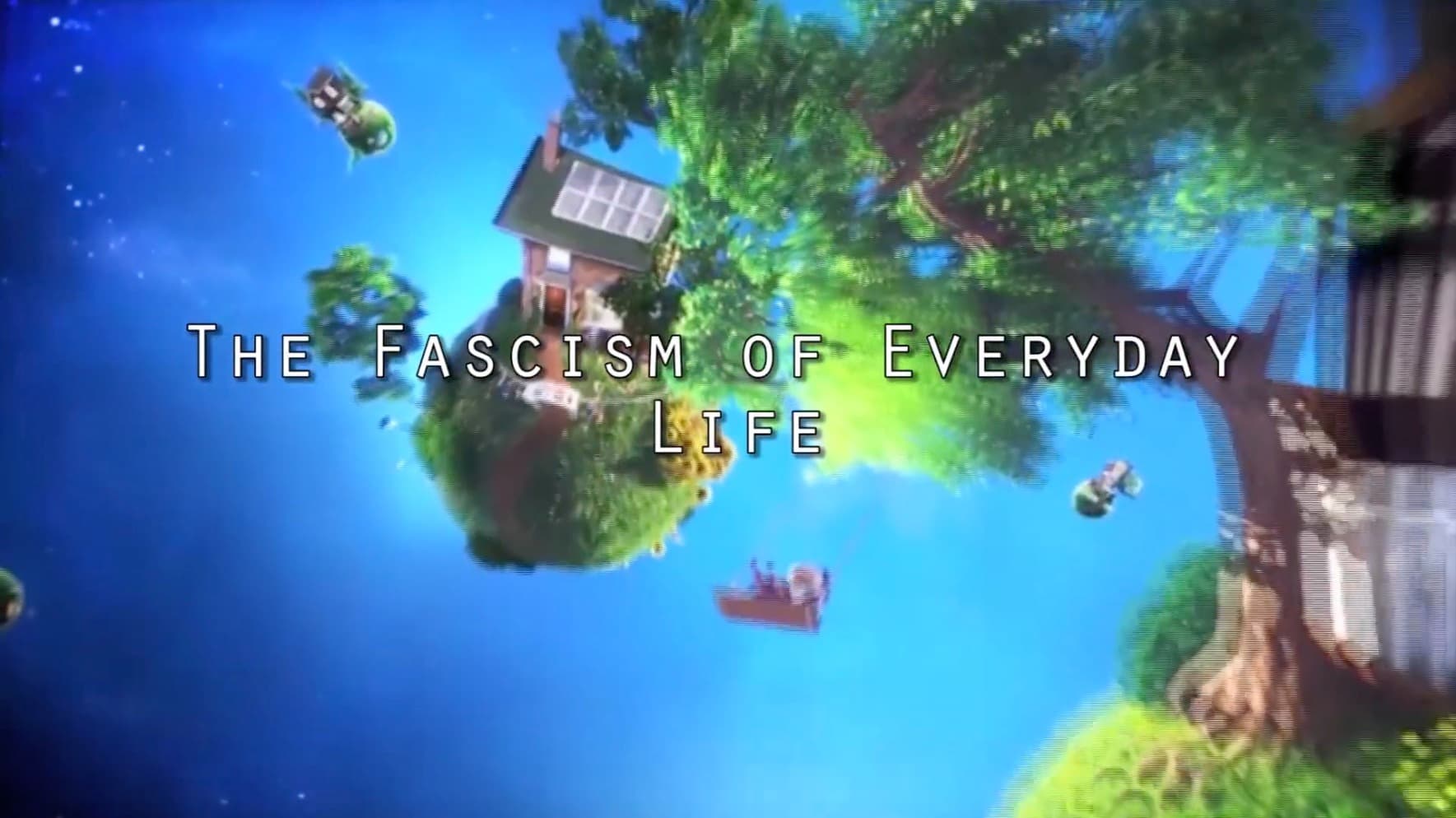
Morag Keil, Georgie Nettell
The Fascism of Everyday Life
2016
Single-channel HD video
11 mins, 44 secs
Edition of 5 and 2 AP
That’s why we work to make life better is the first in a series of online group exhibitions which brings together overlapping generic and thematic interests between program artists.
In light of our current “working from home” (WFH) culture, the demands of working life on all elements of waking life, from leisure to the home, has arguably reached its apex. Technology, which is meant to “make life better” and herald a new age of freedom and self-determination, have in fact resulted in increased time dedicated to work (i.e. catching up) and increased self-surveillance, in the form of Tweets, Facebook and Tumblr updates, texts, emails, blog posts, multi-tasking regimens, and the like. This condition is characterized by the obligation to always be “on,” an unsurprising condition of post-Fordist labor which incorporates ever more spheres of life into its networks of surplus value generation. Spare time literally has become monetized time.
The increasing dismantling of the boundaries between labor and the personal in the last 50 years is hardly a novel concept. Hal Fischer’s seminal series Gay Semiotics deconstructs iconographies of gay male subjectivities in 1970s San Francisco, which continue to have life today, and its attendant subsumption into commodity culture and the citizen/worker. In Archteypical Media Image: Urbane Male (1977/2019) for example artists deconstructs a heteronormative ideal “open and positive about his image and capable of functioning in culture-at-large”. To choose a suited and booted male ready for corporate culture as the image to “represent a new level of consciousness”, Fischer not only refers to the mainstreaming of gay culture but already in 1977 presages the twisting of labor as lifestyle choice. In Georgie Nettel’s series of photographs, OPPORTUNITY (2015), each image presents the family living room of the artist or one of her collaborating gallerist or curator, shown anonymously. By linking familial past with current role as artist or arbiter, the artists comically posits a relationship between nature and nurture, of how aesthetic decisions have or have not changed from a person's emergence out of their metaphorical wombs, as a one-note joke which in itself a critique of bias and class in the production and display of contemporary art. As in Fischer, Nettell posits stereotypes as a means of deconstructing aesthetic development of herself and her community and the economic environment allowing for said emergence.
As work has been exported out of the factory and the office into increasingly more “remote” destinations, the domestic has unsurprisingly become a site of revision and contestation. Increasingly the home needs to be reshaped necessary for labor. Shanzhai Biennial’s third biennial 100 Hamilton Terrace (2014) dressed an art fair booth into an installation which markets and sells a real £32,000,000 mansion fitted with the most up to date “mod cons”. Through an array of still and visual images, the collective casts the home in its contemporary guise as income generator and status symbol, much like the catwalk ready models lounging around the home pool or on top of the dining table. Acknowledging the trend in home renovation as method for self improvement, the New York collective DIS’ installation KEN (2015), in collaboration with Miere and the luxury fitters Dornbracht, fuses the most advanced kitchen and bathroom to create a hybrid announcing the new. Appearing at once a place of culinary experimentation as well as rest in the spa-like lay-down shower, the installation is at continual play, demonstrated by the series of “informercial” talks and conversations organized by DIS and their collaborators and a series of performances by a real housewife, who periodically would take a shower while dressed in a white dress shirt, skinny jeans and stilettos. The work underlines the trend of fulfilling utopian liberation through home renovation (aka renotopia), a trope often exemplified in the context of post-2008 housing crisis.
The ways in which decoration has appropriated new technologies is also considered. Ned Vena’s Untitled (2012) comprising of a common steel door layered on with adhesive vinyl which riffs on op-art painting. Citing the international emergence of Op Art in the 1960s, of graphic shapes that appear to oscillate or swirl, which rearranges the way the eye receives static images, the work also suggests the relationship between the domestic and experiments in self actualization through dismantling normative consciousness, often facilitated through experiments in drugs and medication. Vena’s painting collapses the formal aspects with an analogical perspective of the domestic door, as an opening to “consciousness raising”. On a similar note, Sean Steadman’s charcoal and pastel on paper Track (2020) centers an often unifying thematic in the artist’s work, the psychedelic motif of the swirl akin to a tornado or a cyclone above slashes of mark making and stretched-out checkered flags. Steadman’s use of these specific shapes suggest the bourgeois bohemian, or the “hipster”, as similarly personafied in Kenneth Bergfeld’s A home with no hands VI (2019). Set in a fantastical space of a star-filled sunrise sky and checkered board floor with a squid-like evil eye species hiding underneath, the central character hovers cross legged, appearing as if it has reached zen. In one hand, an asabikeshiinh, which is the inanimate form of the word for “spider” or more commonly known as a dream catcher, hoovers between a Vulcan greeting, a protection from the nightmare of the present.
The relationship to the progression of the self, to make life better, has its antecedents in the rise of the bourgeois culture itself: life does become better with work. Sophia Al-Maria’s video installation Mirror Cookie (2017) presents actress Bai Ling’ presenting her “cookies”, self affirming totems which she has communicated for years via her Twitter account. In the installation, Bai performs a version of mirror work, addressing the audience as if she is looking at herself, reciting her cookies: “We are our own mirror, reflecting the lights within.” The good worker is one which is self-confident, who knows their place in the world. Exosphere (2014) by the collective GCC imagines a futuristic airport first class lounge, which for many of us is often a "second home” in between different travel points. We enter a dark environment with sparkling lights both overhead and on the floor, leading to a space which cannot be entered, made up of different luxury materials of wood, leather and different fabrics, a futurist non-space. A virtual mannequin in international English welcomes with nonsensical platitudes of hospitality: “sit back, take a deep breath…we are here to refresh your spirit”. Harumi Yamaguchi’s paintings from the 1970s and 1980s, produced while leading the advertising office of Tokyo’s premier lifestyle department store, PACRO, presents the “liberated woman” at work and play at a time before those distinctions have utterly collapsed. Visions of women in suits or lingerie, making a phone call or taking a bath, they are almost always at jouissance, inherently within their own world of pleasure. Sexual consumption is an important element in Juliana Huxtable’s hybrid human/animal portraits shown for the first time in Hong Kong in 2019. Dressed in a psychedelic interior which mimics the psychedelic expansion of sexual desire the artist aspires to convey in her work, Huxtable connects intersectional issues regarding sexuality, race, gender, class, able-ism with species hood itself and the rights entitled to a set of living beings over and against another. Moreover, Huxtable prefaces her work with an understanding of capitals ability to subsume difference (i.e. subculture, identity, etc) as much as articulate difference as marketing tool. Underlying all these sets of interior relations require an infrastructure of exterior support, brutally revealed in Flo Brooks’ painting Mass Mutation (2018). Brooks depicts a cleaning crew at work in a gym as fitness enthusiasts work out beside them. As part of a series which imagines the crew working on other private/public environments such as the therapist room and the public bathroom, the artist underlines the affective relations between different sets of laborers and consumers.
On the flip side, DIS’ Sleep Mode (2016) imagines new technologies privileged with the same domestic systems accorded and advanced to their human users, and when sleep—the act of sleep versus the surrounding medicinal and technological tools which arose in the last decade promoting “good” sleep—becomes the only mode yet to be monetized by capital. We are invited to literally sleep, and in the installation presented by PNI in 2018, facing the new Goldman Sachs headquarters, as worker continue to outfit the offices. Morag Keil’s Here we go again (2018) collapses new domestic technologies of home virtual assistance like Amazon Echo’s Alexa, with online gaming culture and special effects heavy cinema. The installation consists of a series of doors, walls, and portals to individual rooms with videos utilizing home automation as a starting point to either control the decisions made or facilitate them. The installation presents a zero end game where the machine continues to hum. Keil’s collaborative work with Georgie Nettell, The Fascism of Everyday Life (2016), offers a critique to the aspirational nature of the domestic. It documents separately each of the artists’ homes and reveals the then current costs via the real estate website Zoopla. The video presents the actual costs, both economic and emotional, of living in London in shared accommodation. Clémentine Bruno’s more recent paintings referencing art historical stereotypes as “stock imagery” suggests the painter as de-authorial subjects, editors who “load” in preset from an archive of images, such as abstracted lettering and brick work. Bruno paints the painter as an assembly worker. Adam Gordon’s continuing series of uncanny hyper-realistic paintings depicting real and often desolate architectural environments, abandoned residential or work spaces which once teemed with activity, refers to the flip side of aspirational culture. These haunted spaces, as once mundane and singular at once reveal the fallout of post-industrialization as much as formally studies of light and atmosphere. As the home is increasingly mechanized, the artist suggests a darker side to its celebration.